USPS Plans Weekly Variable Fuel Surcharge For 2027 As Shipping Rate Uncertainty Grows

The US Postal Service plans to introduce a new fuel surcharge on domestic packages beginning January 2027, with rates changing weekly based on diesel and jet fuel prices, adding more uncertainty for online sellers already struggling to keep up with frequent shipping rate changes.
According to a Fuel Surcharge Implementation FAQ published on the USPS PostalPro website, the surcharge will apply to both retail and commercial shipments using Priority Mail Express, Priority Mail, USPS Ground Advantage and Parcel Select, including applicable return services. Ground Advantage and Parcel Select surcharges will be based on diesel prices, while Priority Mail and Priority Mail Express will use jet fuel prices reported by the US Energy Information Administration (EIA).
The surcharge will be calculated as a percentage of base postage, excluding additional services and nonstandard fees. Rates could increase or decrease each week depending on fuel prices, with new percentages announced just 3-4 days before taking effect for jet fuel and 3-5 days for diesel, leaving shippers with little advance notice of the adjustments.
USPS has not disclosed the initial surcharge percentages, the formulas used to calculate them or whether weekly fluctuations will be subject to minimum or maximum limits. Negotiated Service Agreements (NSAs) may also contain customized terms, potentially resulting in different surcharge rates or exemptions for marketplaces and third-party shipping providers, though it's not yet clear whether any will be exempt or how their rates may differ.
The new guidance provides details about the permanent pricing mechanism USPS first signaled in March, when it announced an unprecedented temporary 8% transportation-related increase as rising fuel costs added pressure to the agency's already troubled finances. USPS said the increase was intended as a bridge to a more permanent mechanism that would reflect changing market conditions, bringing its pricing practices closer to private competitors like UPS and FedEx.
 Liz Morton
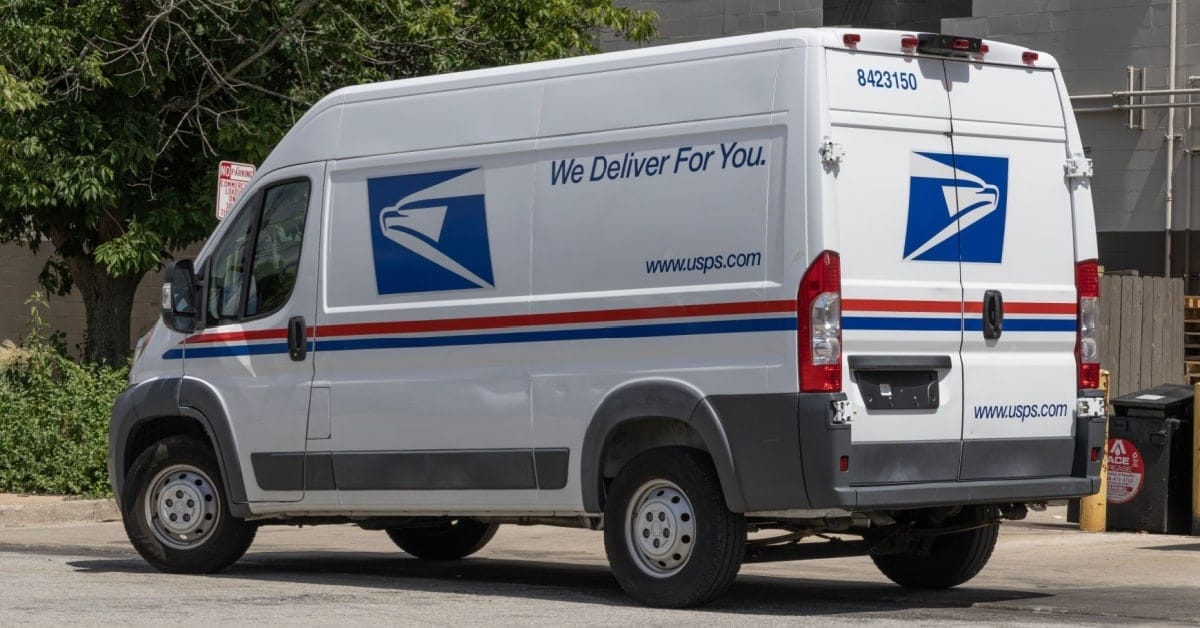
That temporary increase took effect April 26 and is currently scheduled to expire January 17, 2027, the same day additional holiday shipping increases are set to end.
Sellers have been playing whack-a-mole with negotiated USPS rates since surprise Ground Advantage discounts appeared in June, followed by changes to ounce-based pricing, regular July rate adjustments and multiple rounds of targeted increases and decreases through August and September. Some changes were announced with little or no warning, including September 19 increases that raised certain Ground Advantage rates by as much as $2.28 and Priority Mail rates by as much as $4.35 with just one day's notice.
Temporary holiday increases followed October 4, along with new geographic pricing groups for Ground Advantage introduced on October 18, replacing the previous standard and rural classifications with standard pricing plus three geographic rate groups based on destination ZIP codes.
 Liz Morton
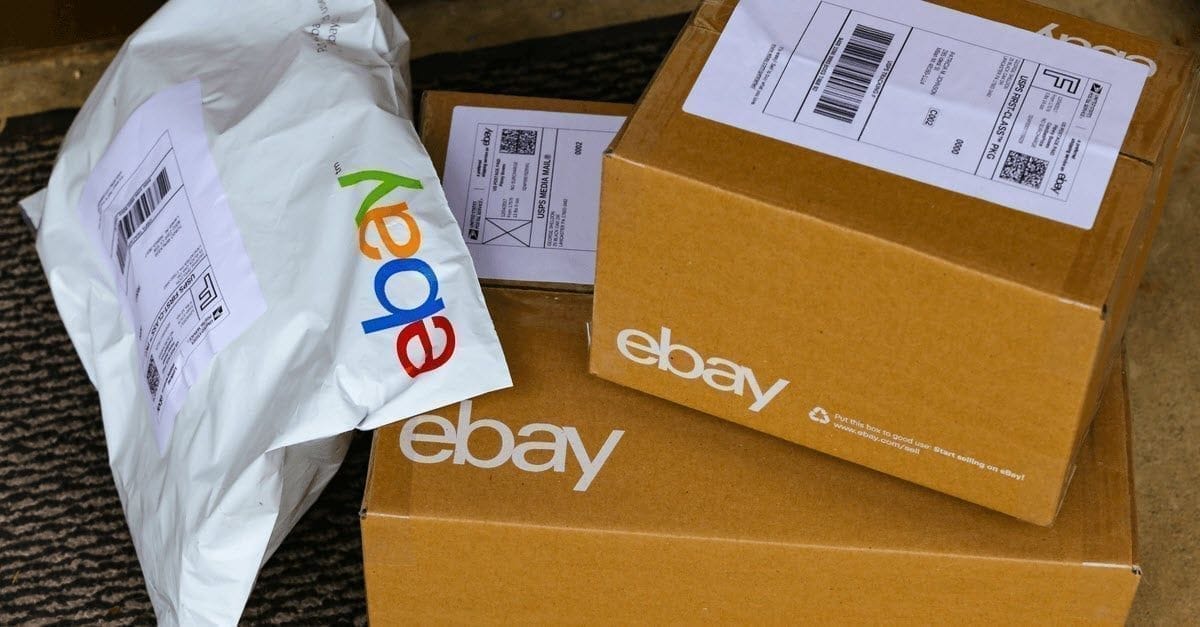
Another round of negotiated Ground Advantage adjustments took effect October 25, with eBay warning sellers of increases and decreases depending on package weight, shipping zone and destination but providing no rate charts or specific dollar amounts in advance.
The changes have become so frequent that Pirate Ship announced last week it would stop sending routine shipping rate notifications, saying carriers are now changing prices multiple times per week. The company blamed a broader industry shift toward dynamic pricing, while eBay acknowledged that frequent changes make it difficult for sellers to know what to expect from one shipment to the next.
 Liz Morton

eBay has recommended calculated shipping so buyer-facing charges automatically adjust with changing rates, but that does little to help sellers offering free or flat-rate shipping who must determine how much postage to build into their prices before knowing where an item will be shipped or when it will sell.
Those sellers already have to account for differences in weight, dimensions, shipping zones, destination ZIP codes and negotiated rates, often across hundreds or thousands of active listings. A weekly fuel surcharge adds another variable, leaving sellers to either build larger cushions into their prices that could discourage buyers or risk unexpected shipping costs eating into their profits.
Even calculated shipping may not completely eliminate the problem if rates change between when a buyer places an order and when the seller purchases a label.
The guidance also confirms packages bearing outdated surcharge amounts will be subject to postage due, with USPS stating that items must have the correct postage and fees paid at the time of mailing. While the surcharge will be incorporated into existing pricing and shipping APIs, it's not clear how postage adjustments will be handled for labels purchased through marketplaces or shipping platforms before a rate change but mailed afterward.
On marketplaces that calculate transaction and advertising fees on the total amount paid by buyers, higher shipping charges can also mean higher selling fees, even when merchandise prices remain unchanged. Sellers offering free shipping face the same fee pressure when they raise item prices to cover higher postage costs, while those who cannot pass increases along to buyers must absorb the expense in their margins.
For eBay specifically, higher buyer-paid shipping charges can also provide an unearned boost to Gross Merchandise Volume (GMV), which includes shipping and taxes, allowing the company to report increased dollar volume in its quarterly financial results without a corresponding increase in merchandise sales.
USPS is pursuing the new pricing mechanism amid continuing financial difficulties despite repeated rate increases. The agency reported a $2.5 billion net loss in fiscal Q3 2026, bringing losses for the first nine months of the year to approximately $5.7 billion, even as Shipping and Packages revenue increased 7.7% despite a 3.4% decline in volume.
 Liz Morton

Postmaster General David Steiner made clear at an August Board of Governors meeting that pricing remains central to the agency's financial strategy, saying USPS has "more price to take in the marketplace" and arguing that pulling back on increases would be financially irresponsible.