Poshmark Scraps Excessive Listing Removal Policy, Adds New Seller Recognition Program

Poshmark is backtracking on its controversial Excessive Listing Removal Policy after more than a year of seller complaints, enforcement errors and account restrictions.
The company announced during a seller webinar Wednesday that the policy will be retired effective July 23, allowing sellers to delete listings without risking account penalties.
Poshmark said it introduced the rule because buyers were repeatedly seeing listings they had already browsed, which it said was eroding buyer trust. It now acknowledges the policy made it harder for sellers to keep inventory current.
The rule, introduced in May 2025, prohibited excessive removal and reposting of the same or similar items and allowed Poshmark to limit listing visibility or take action against accounts it deemed noncompliant.
The policy was intended to discourage sellers from repeatedly deleting and relisting items to gain an advantage in search, but it also created problems for sellers who cross-list inventory on eBay, Mercari, Depop and other marketplaces.
When an item sold elsewhere, sellers needed to remove it from Poshmark before a second buyer purchased an item that was no longer available. Some said those removals resulted in automated warnings, listing restrictions and suspensions.
 Liz Morton
Poshmark later clarified that sellers could remove unavailable inventory and refresh listings more than 60 days old, but sellers still had little visibility into how removals were counted or what threshold would trigger enforcement.
The risks became especially clear in November, when a technical problem deleted listings from some accounts and triggered Excessive Listing Removal enforcement against affected sellers. Poshmark restored the listings and lifted temporary restrictions, but the incident showed how an inventory error could quickly escalate into an account penalty.
Sellers should also note that the July 23 change does not eliminate Poshmark’s separate Seller Cancellation Policy.
Poshmark still requires sellers to fulfill completed sales and says sellers who cancel more than 3% of orders during a rolling 90-day period may face temporary restrictions or permanent suspension.
 Liz Morton
Buyer-requested cancellations and cancellations made to bundle orders are excluded, although sellers have questioned whether those exclusions are consistently reflected in their statistics.
Poshmark is also launching a performance-based recognition program intended to give qualifying sellers more visibility in search.
Sellers must first complete 20 lifetime shipped sales, then maintain several standards over a rolling 90-day period, including
- at least five shipped orders or $500 in sales
- an average shipping time of two days or less
- a cancellation rate no higher than 2%
- an approved return case rate of 2% or less
Starting this fall, buyers will be able to filter search results to show listings from sellers who meet those standards. Poshmark says the designation will highlight sellers who ship quickly, fulfill orders and accurately describe their items.
Sellers who attended the webinar said the program will operate alongside Posh Ambassador rather than replace it.
Some sellers have already raised concerns about using approved return cases as a qualification metric. Sellers do not control whether Poshmark approves a return and have long complained about inconsistent decisions, including cases involving fit, buyer remorse and other issues they believe fall outside the platform’s return policy.
A single approved case could also push a lower-volume seller above the 2% threshold for an entire 90-day period. The minimum sales requirement may similarly exclude reliable casual sellers during slower periods.
The changes come one day after the introduction of the proposed Online Sellers’ Bill of Rights Act of 2026, federal legislation targeting opaque marketplace enforcement, sudden policy changes, account suspensions and limited appeal rights.
 Liz Morton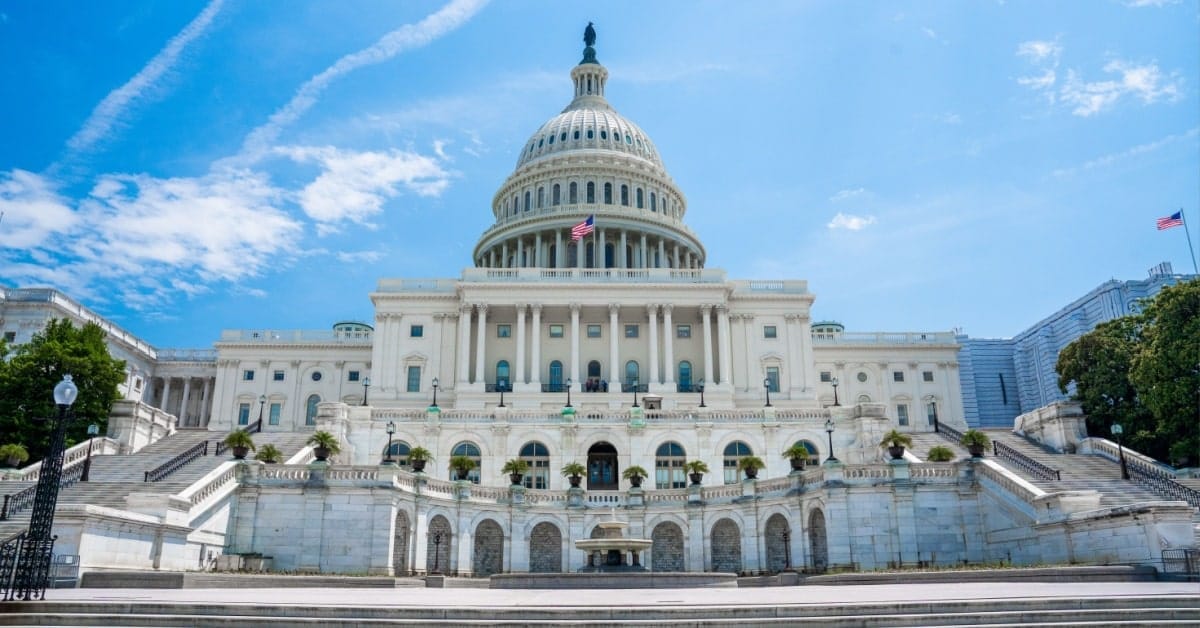
There's no indication Poshmark’s decision was made in response to the bill, but the timing still offers a clear example of the concerns behind the proposal.
Poshmark introduced the policy with little notice, provided limited detail about how it would be enforced, issued swift warnings and suspensions, and is now abandoning it after more than a year of disruption that further damaged seller trust in the platform.
Is the reversal better late than never, or too little too late? Let us know what you think in the comments below!