eBay Recommerce Report Finds Budget Pressure Is Driving Secondhand Shopping

eBay says secondhand shopping is becoming more closely tied to household budgets, with its 2026 Recommerce Report showing affordability remains the biggest driver as the company continues investing heavily in consumer-to-consumer selling, Depop, Live shopping and other initiatives aimed at making it easier to buy and sell used goods.
According to eBay, 47% of consumers surveyed now buy secondhand at least monthly, compared to 35% in its 2025 report, while 76% had purchased secondhand within the past year and 89% plan to spend the same or more in 2027. Younger consumers showed the strongest intent to increase purchases, at 53% for 18 to 29-year-olds and 43% for those 30 to 45, compared to 36% overall.
That year-over-year comparison requires some caution because eBay changed both the methodology and makeup of the survey. The 2025 research included approximately 16,020 consumers across nine markets who had participated in recommerce by buying or selling secondhand goods, while this year’s Bounce Insights survey covered about 10,500 consumers across ten markets and limited participation to people who had bought secondhand.
That eligibility change alone could affect a statistic measuring how frequently respondents buy secondhand, so the increase from 35% to 47% should not be treated as a clean apples-to-apples comparison.
The seller survey changed even more significantly, shrinking from 11,099 eBay sellers across ten markets last year to 1,707 across seven this year, making direct comparisons of seller findings more difficult as well.
Saving money remains the biggest driver of secondhand shopping, with 84% of surveyed consumers ranking it among their top three reasons and 46% putting it first. Seventy percent said secondhand shopping is important to managing their household budgets, rising to 76% among Gen Z.
For the first time in eBay’s research, U.S. consumers placed greater importance on secondhand for managing household budgets than consumers globally, with 36% calling it “very important” compared to 28% worldwide. Among U.S. eBay sellers, 45% said resale provides supplemental income and 25% said money earned from selling has provided vital support for their household.
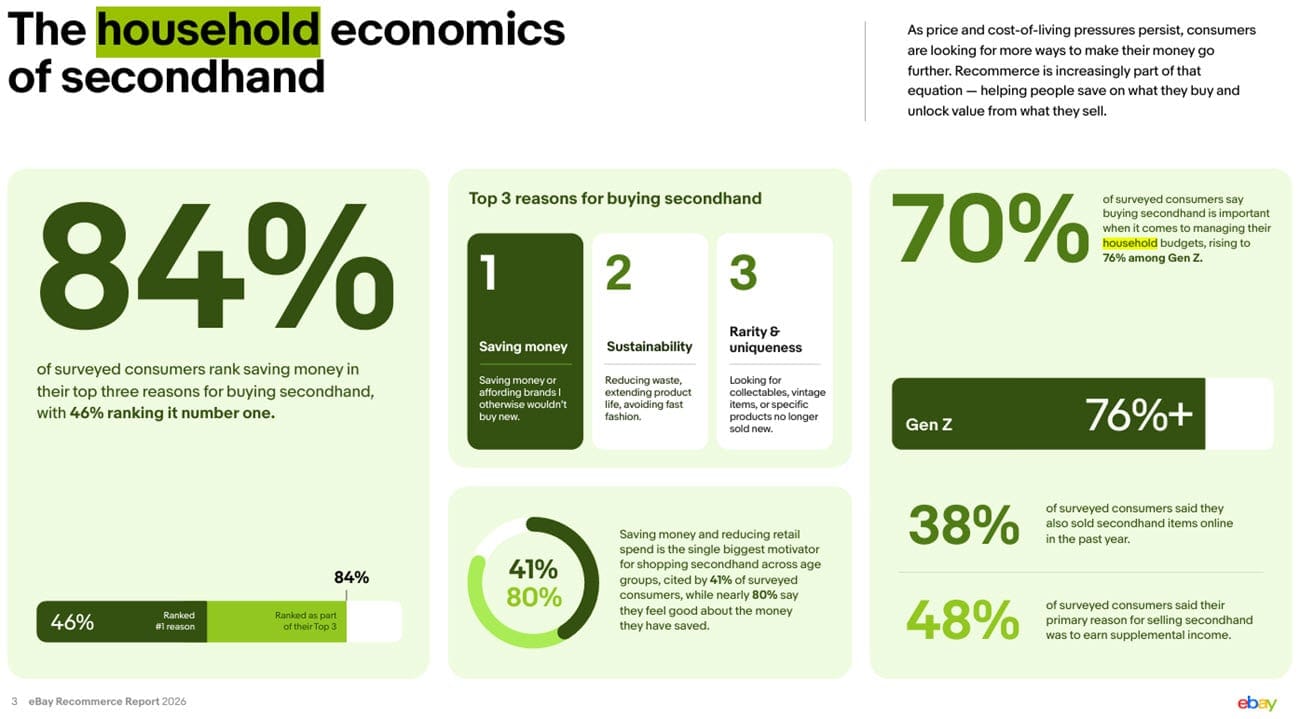
Buying and selling also overlap, with nearly 40% of consumers surveyed saying they have sold secondhand goods online. Eighty-five percent of eBay sellers said they source inventory from their own belongings, while 28% also source from clear-outs by family and friends. eBay describes that as an opportunity to “unlock more supply” from items sitting unused in homes and closets.
The company has spent the last several years building that C2C strategy market by market, expanding fee-free private selling and related programs across Europe and Australia. CEO Jamie Iannone told investors last month that C2C activity was growing more than 20% in the U.S., UK, Germany and Australia and said people become 2 to 2.5 times more valuable as buyers once they start selling too, pointing to eBay Balance as one way to keep those proceeds circulating on the marketplace.
Younger consumers are central to that push, with 46% of 18 to 29-year-olds surveyed buying secondhand weekly or every other week compared to 28% overall, while 53% expect to buy more over the next year. In the US, 60% of 18 to 29-year-olds expect to buy more, compared to 41% overall. On the selling side, 26% of Gen Z recommerce entrepreneurs said they started selling secondhand just six to 12 months ago compared to 8% overall.
eBay also points to Depop, highlighting the roughly $1 billion in gross merchandise sales (GMS) the secondhand fashion marketplace generated under Etsy in 2025, along with 7 million active buyers, nearly 90% of whom were under 34, and more than 3 million active sellers.
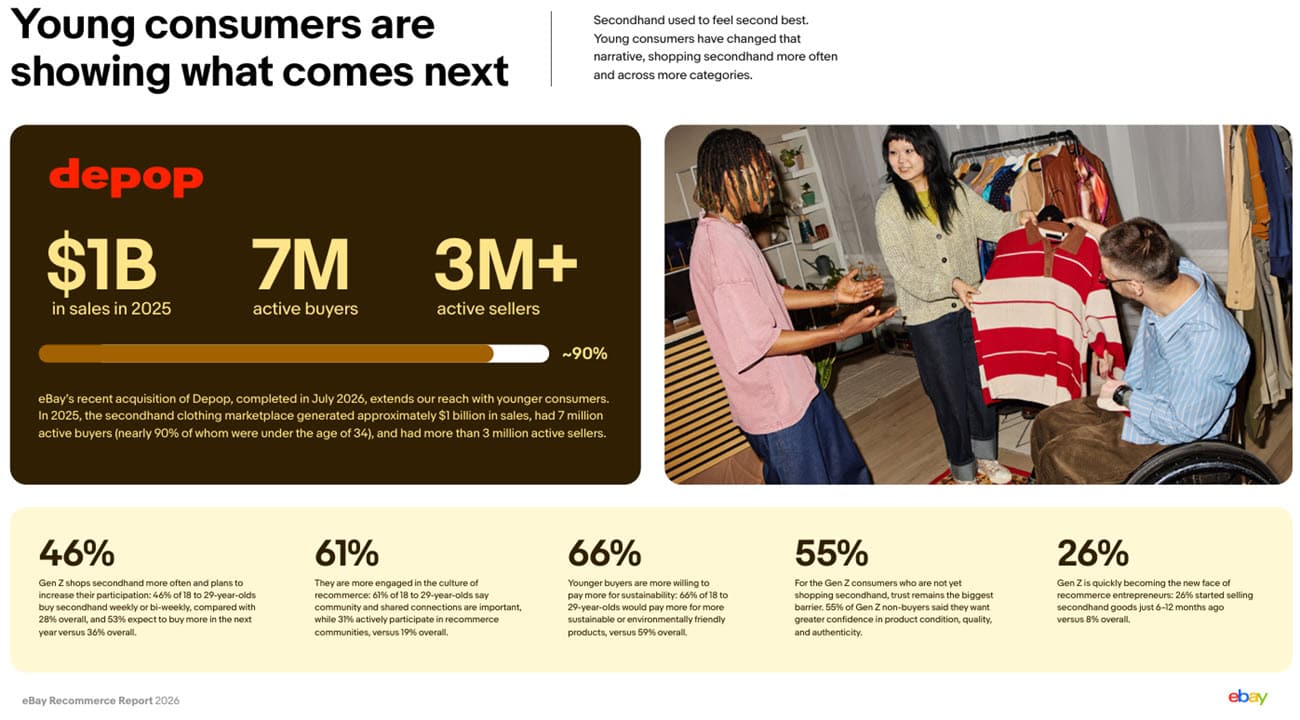
Comparisons with Depop results reported by eBay won't be apples-to-apples, however. Etsy's GMS excluded shipping and sales tax and deducted refunds, while Depop GMV under eBay will include shipping, sales tax and buyer fees and will not deduct refunds or cancellations. That will mechanically produce a higher figure even before any change in underlying sales.
eBay completed its approximately $1.4 billion acquisition of Depop July 30 and has already begun using its own marketplace to help drive that business, giving Depop prominent homepage and fashion search placement that sends eBay shoppers directly to matching results on the separate platform.
 Liz Morton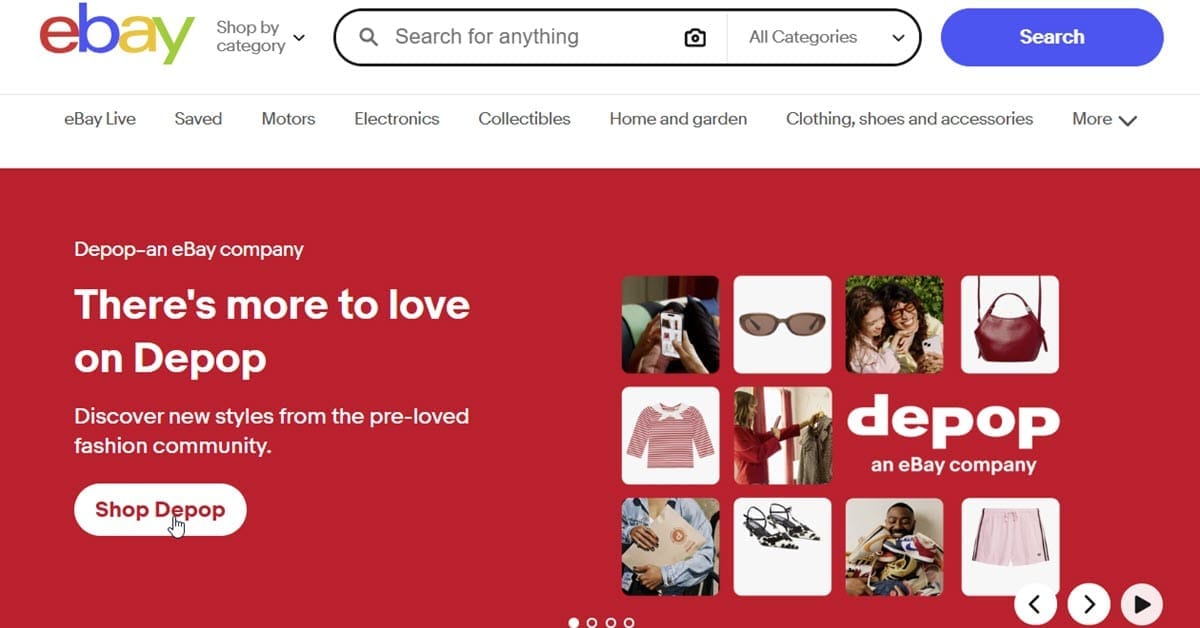
Competition for those younger secondhand fashion buyers is getting more expensive as well. UK Competition and Markets Authority data put Vinted at an estimated 50% to 60% of UK C2C online apparel GMV in 2025, compared to 10% to 20% for eBay and 0% to 5% for Depop. Vinted has also been increasing investment in the U.S. while both it and Depop experiment with heavily discounted shipping, and analysts have raised concerns about how much eBay may have to spend to maintain Depop's growth.
 Liz Morton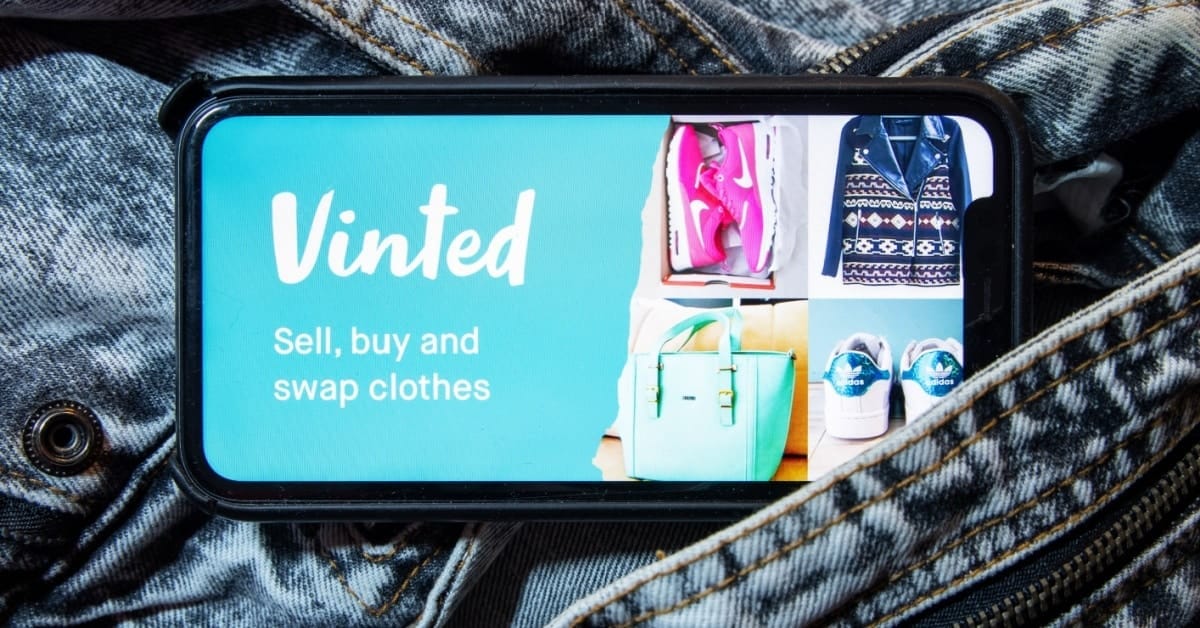
Live shopping is another area where eBay has been rapidly expanding access. Fifty-four percent of consumers surveyed said community and shared connections are important to their secondhand shopping experience, rising to 61% among Gen Z, even as 49% said they had never felt a personal connection to a seller. Thirty-one percent had watched live shopping and only 12% had purchased through it. Those figures reflect live shopping generally, not eBay Live specifically.
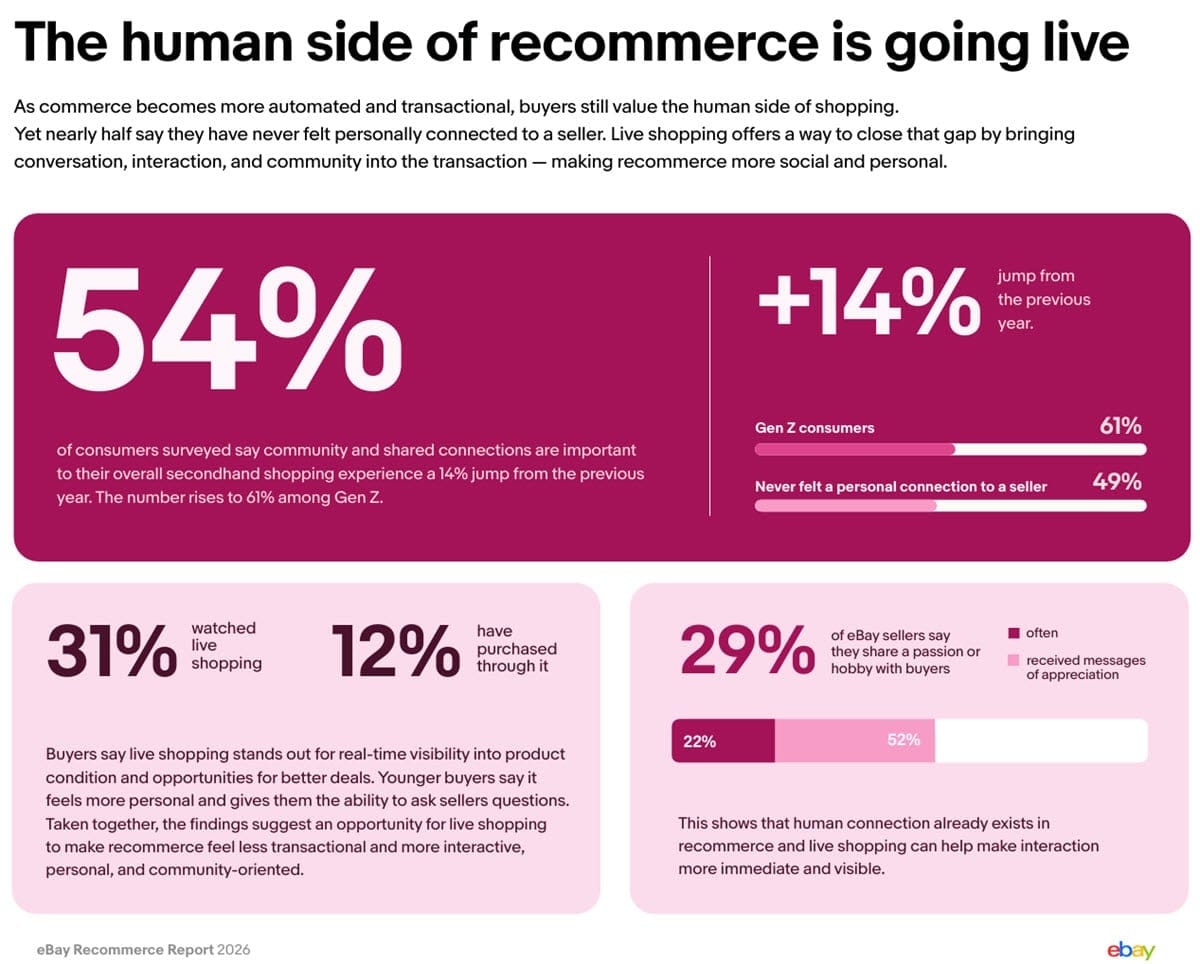
eBay says its own Live GMV has been growing sevenfold to eightfold year-over-year as the service expands into more countries and categories, but it still has not disclosed absolute GMV, active buyer or seller numbers that would show the actual scale of the business. Access has continued to open up, with eligibility expanded to more than 300 U.S. categories in July and self-service registration added in September.
 Liz Morton
Trust also matters for repeat business, with 54% citing consistent product quality and listing accuracy as the No. 1 reason they return to the same seller. eBay says more than 20 million items have now been processed through its authentication centers, while the company is expanding verification beyond luxury and collectibles, including new electronics operations in the UK and Germany and fashion authentication in France and Italy.
 Liz Morton
Cross-border recommerce still comes with considerable friction, according to eBay’s own survey. Only 39% of consumers said they were comfortable buying from international sellers, while returns and delivery costs were the biggest buyer concerns. Sellers pointed to logistics and delivery at 53%, customs and tax regulations at 43% and international returns at 32%.
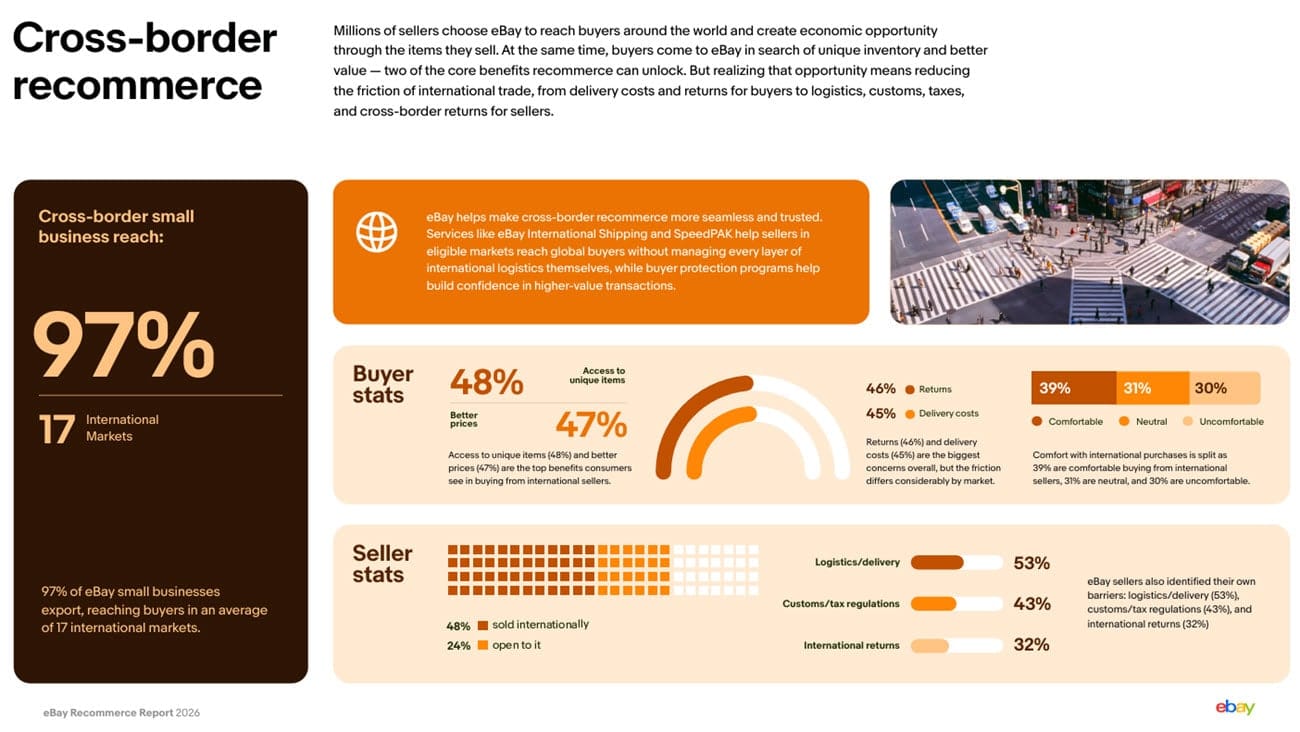
eBay has recently reorganized more of its European business around cross-border commerce and expanded eBay International Shipping, even as sellers face increasingly complicated customs and regulatory requirements. The final section of the Recommerce Report calls on governments to recognize secondhand products as a distinct regulatory category, focus enforcement on higher-risk goods and transactions, rethink tax policies that repeatedly tax the same item as it moves through the secondary market and support Right to Repair laws.
 Liz Morton
eBay made a similar case in a July policy paper arguing customs systems designed for high-volume shipments of newly manufactured goods often don't fit secondhand products, which may lack original packaging, labels or readily available country-of-origin information. That concern is becoming more immediate in the EU, where new Product Identifier requirements take effect November 1 and may require manufacturer information that is difficult or impossible to provide for some used, vintage and one-of-a-kind goods.
Read the full 2026 eBay Recommerce Report or download the PDF: