Facebook Marketplace's Little-Known Cost Per Sale Ads Don't Add Up

Facebook Marketplace has been quietly offering a little-known Cost per Sale advertising option for certain shipped listings, promising sellers they’ll only pay if the item sells. You won’t find it documented in Meta’s public-facing help or policy pages, but the option appears directly in the Marketplace boost flow alongside traditional Fixed Budget impression-based advertising.
In a recent Value Added Resource test, Meta displayed a pop-up encouraging use of the Boost option to promote a listing, explicitly stating "you'll only be charged if your item sells as a result of the boost."
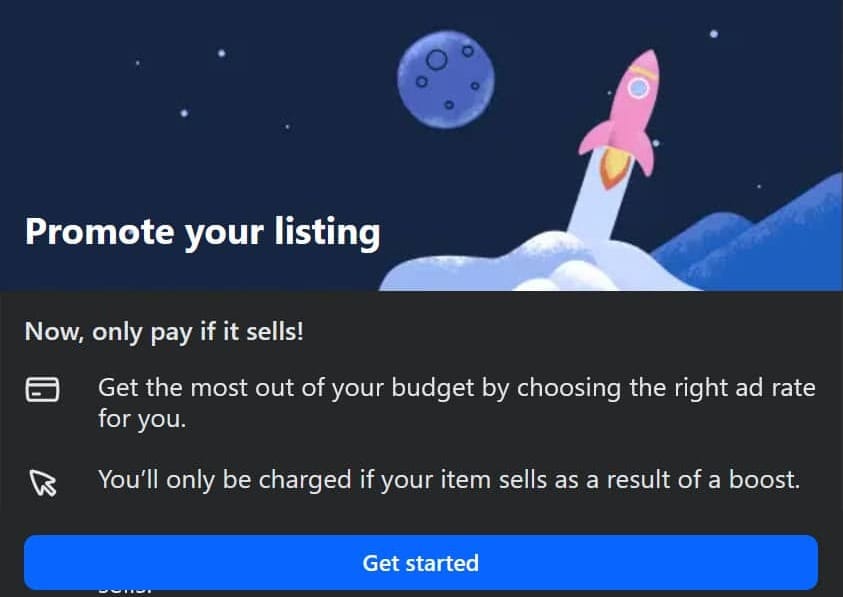
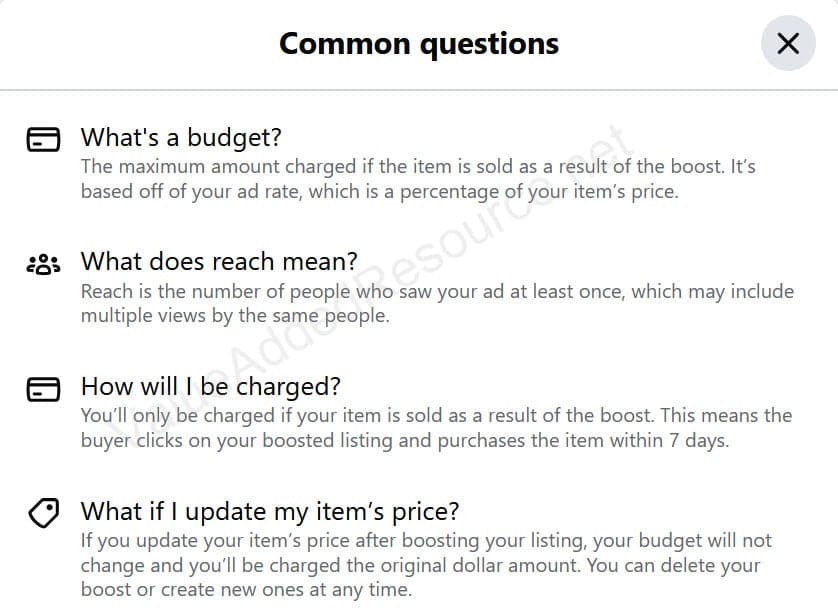
The accompanying FAQ says the budget is the maximum amount charged if the item sells and is based on an ad rate that is a percentage of the item’s price. It also defines an attributed sale as one where “the buyer clicks on your boosted listing and purchases the item within 7 days.”
Another pop-up explaining the difference says Cost per Sale run for 30 days or until the listing sells out, whichever comes first, and are only available for certain listings that have shipping as a delivery method. Fixed Budget ads, by comparison, use Meta’s standard impression-based advertising model, charging sellers for ad delivery whether or not boosting results in a sale.
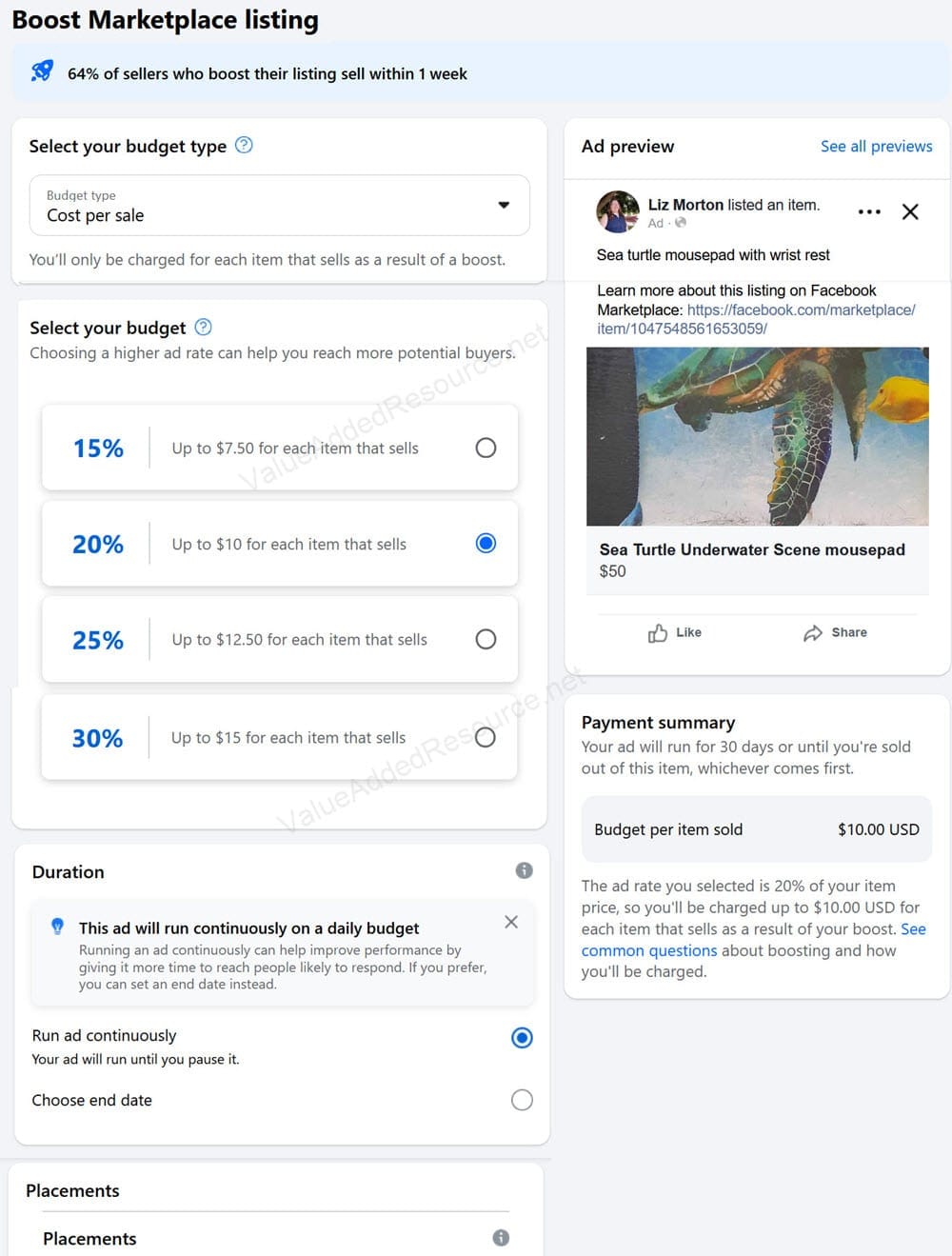
Facebook offered ad rates of 15%, 20%, 25% or 30% on a $50 listing, with the selected 20% rate described as “up to $10 for each item that sells.” But even before publishing the test ad, the Cost per Sale setup page was already showing conflicting information.
Despite selecting the percentage-based model, Facebook still showed controls for duration, placements and audience targeting that were largely identical to the Fixed Budget flow. A notice under Duration said “This ad will run continuously on a daily budget,” with an option to either run continuously until paused or choose an end date, while the payment summary on the same page said the ad would run for 30 days or until the item sold out.
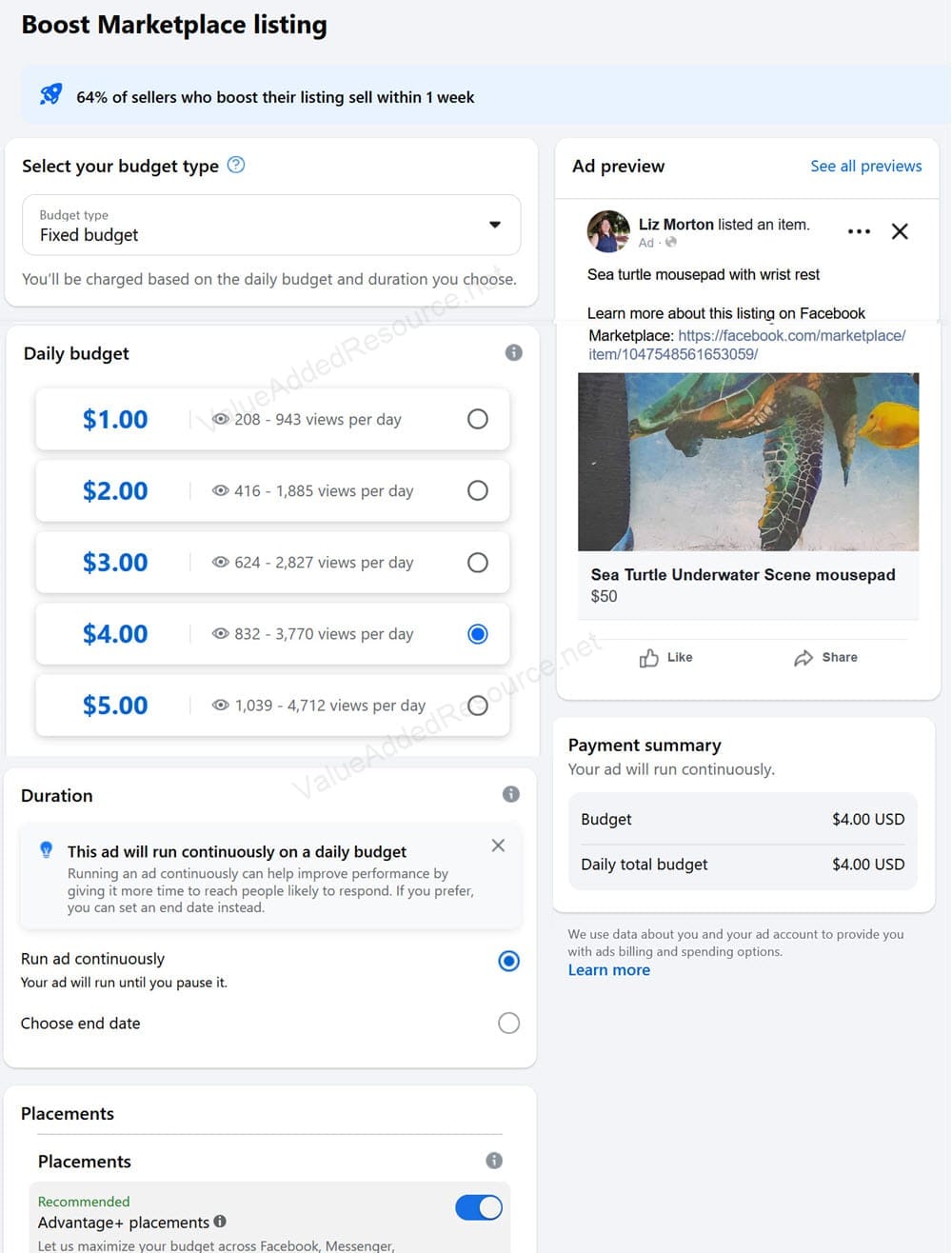
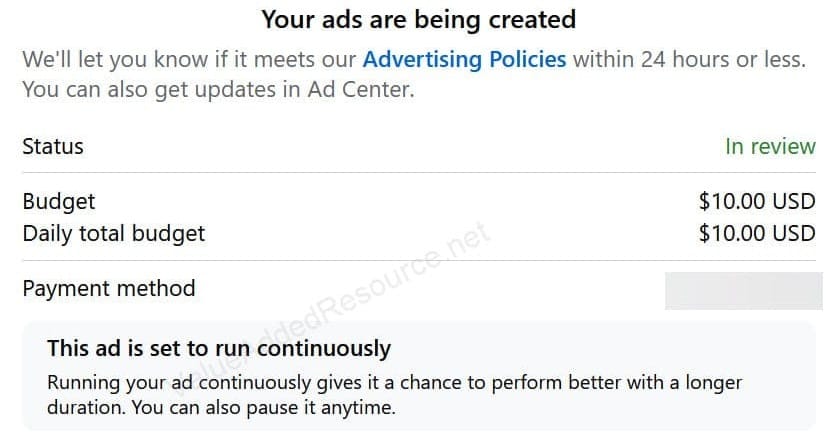
After publishing the 20% Cost per Sale boost, Facebook showed a confirmation screen listing both “Budget” and “Daily total budget” as $10 and again said the ad was set to run continuously.
Opening the boost through Meta’s advertising tools produced an even more confusing result: the Ad Details page showed a $400 daily budget and Continuous duration.
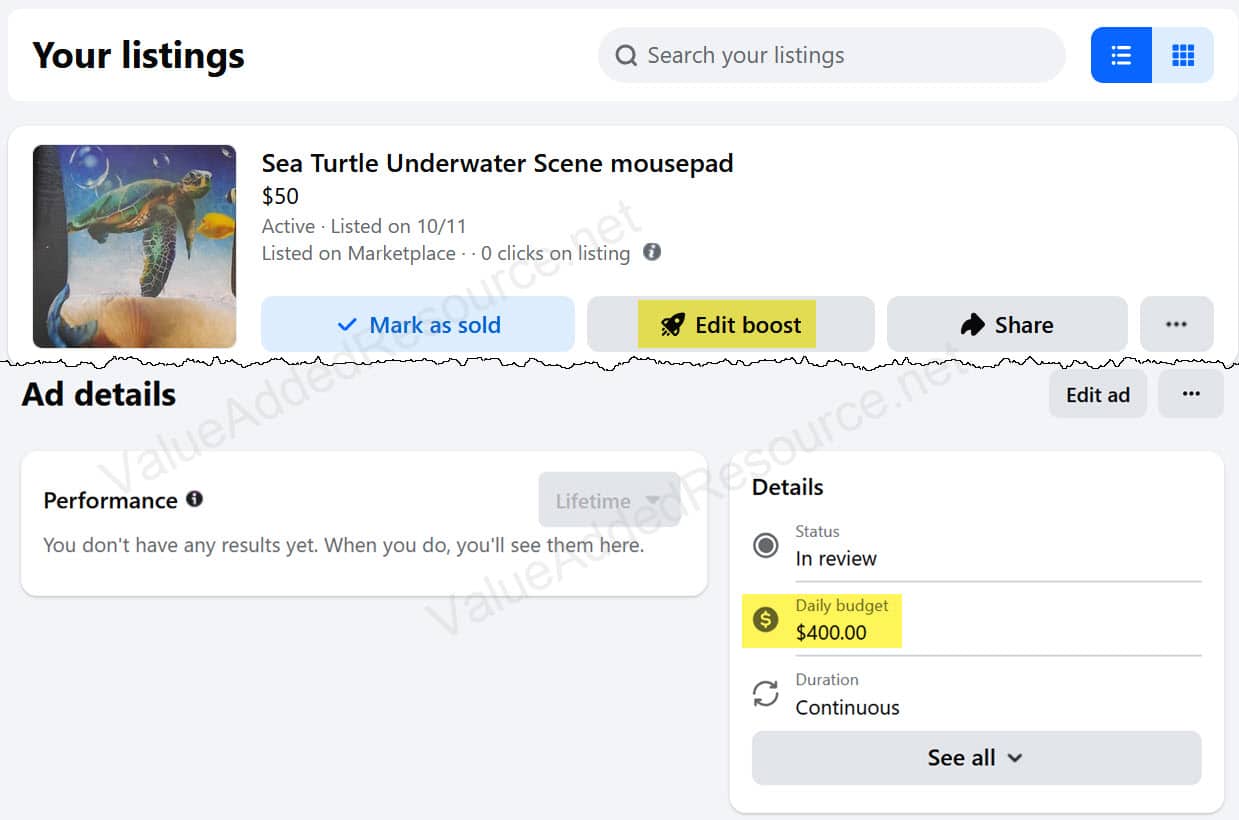
Most alarmingly, if I hadn't clicked "Edit boost," I would never have known Meta had created the campaign with a $400 daily budget, potentially leaving me exposed to ad charges far beyond the $10 per sale I had authorized.
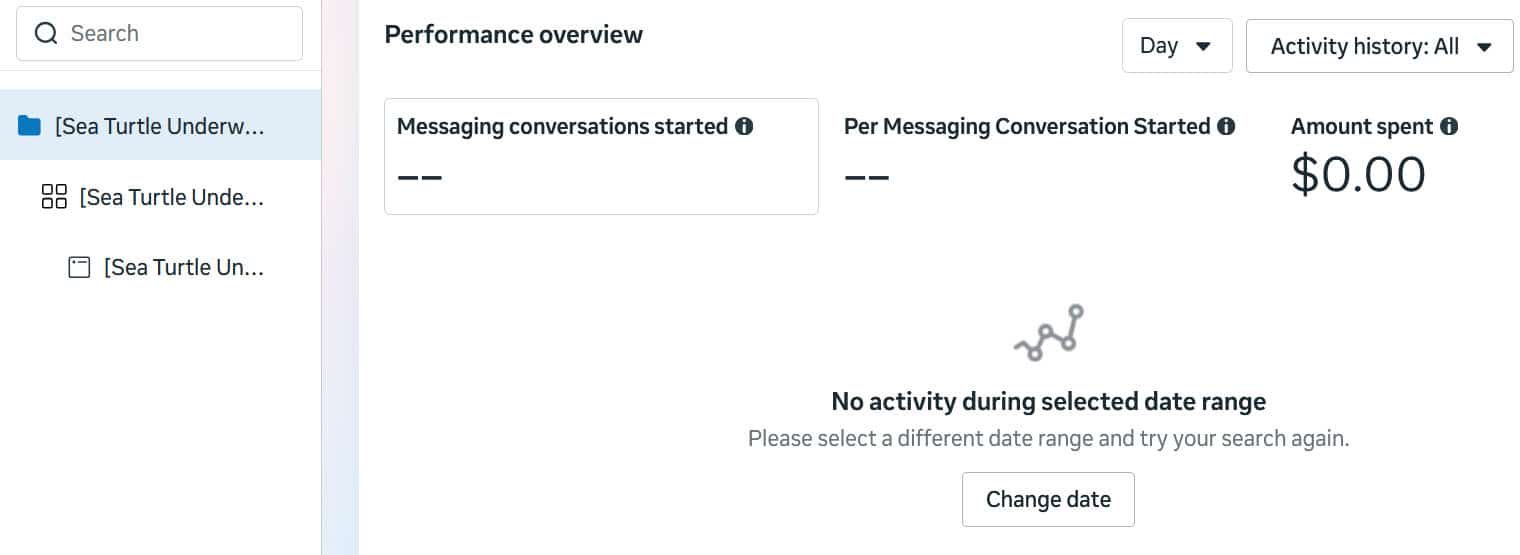
The performance dashboard also showed Messaging conversations started and Per Messaging Conversation Started as the primary result metrics for the campaign, despite the Marketplace interface defining a chargeable result as a completed sale following a click.

Meta’s Ads Manager AI assistant added another layer of confusion when asked to explain the backend settings. It said the boost was optimized for “Messaging Conversation Started” with a 7-day click or 1-day view attribution window, meaning Meta would count a result if someone clicked and started a conversation within seven days or simply viewed the ad and started one within a day.
Asked whether that meant the seller would be charged for each conversation, the AI said no. Instead, it said the boosted listing was billed for ad delivery based on impressions and that “Per Messaging Conversation Started” was only a performance metric.
That explanation directly conflicts with the Marketplace setup flow, which repeatedly says Cost per Sale ads will only be charged when a buyer clicks the boosted listing and purchases within seven days.
The disconnect also closely resembles complaints other Marketplace sellers have been making. In a recent Reddit post, a seller said they selected Cost per Sale, received no purchases and were still charged, with Meta’s support system reportedly pointing to listing interactions and messaging activity.
Other sellers have raised similar concerns in Facebook groups, including one June post claiming they were charged small amounts for impressions, clicks and messages despite choosing Cost per Sale. Another seller who posted this month said Meta had quietly created a conventional continuous advertising campaign in the background with a huge daily budget after they selected the percentage-based option.
The lack of clear documentation makes it even more difficult to determine exactly how these ads are supposed to work. Searches of Meta’s Help Center and advertising resources did not find a dedicated public help page explaining Marketplace Cost per Sale ads, including eligibility requirements, billing mechanics, attribution rules or how the underlying campaign is structured.
Much of the information appears to exist only inside pop-ups and tooltips shown within the product flow to eligible sellers. Meta’s own Ads Manager AI initially said Facebook did not offer a true pay-only-when-you-make-a-sale option for Marketplace, then reversed course after being shown screenshots of Facebook’s own Cost per Sale interface. It also could not provide a public Help Center page documenting the product.
Strangely, Facebook Marketplace Cost per Sale ads appear to have been available to at least some sellers for years. An August 2023 Reddit post references a seller who had already been using Cost per Sale boosts before suddenly finding the option unavailable for a particular listing. Another discussion from 2024 asks about experiences using the feature, while more recent seller posts show it continuing to appear for at least some accounts.
The fact that this option has flown under the radar so long is particularly interesting given the similarities with eBay Promoted Listings General, where sellers choose a percentage ad rate and pay when a sale meets attribution requirements rather than paying for every click.
eBay has leaned on the uniqueness of Promoted Listings General for years, touting the benefits of its cost per sale model as it expanded other cost per click ad products. That pitch has come under increasing strain as eBay broadened Promoted Listings attribution, including the move to an “any click” model that can trigger an ad fee when anyone clicks the promoted listing within the 30-day attribution window, even if that person isn't the eventual buyer.
 Liz Morton
Facebook’s stated attribution model is actually much narrower than eBay’s current policy, requiring the eventual buyer to click the boosted listing and purchase within seven days - assuming Meta actually follows its own rules.
Sellers who believe they have been charged for Facebook Marketplace Cost per Sale ads in a way that does not match the terms shown during setup should report the issue through the help and support options available in Meta’s advertising tools and keep screenshots of the original boost terms, campaign settings and any charges incurred.
If Meta does not resolve the issue, sellers can also file complaints with the Federal Trade Commission and their state Attorney General. The FTC accepts reports about scams, fraud and bad business practices, and says those reports help law enforcement identify patterns that may warrant investigation. State consumer protection offices can also accept complaints involving potentially unfair or deceptive business practices.
To file a report with the Federal Trade Commission, go to:
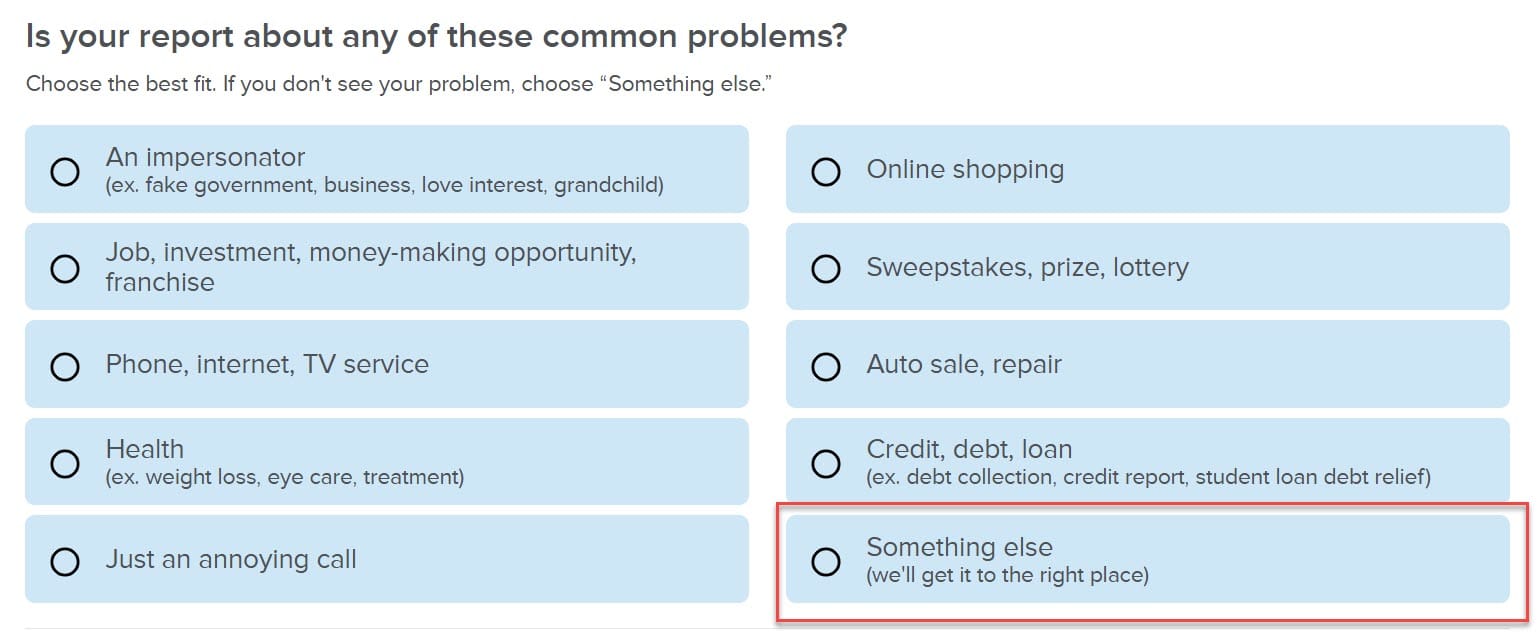
Don't be thrown off by the form and website mentioning fraud - you can select "something else" as the reason for your report and then give details about why you believe Meta's Facebook Marketplace ad practices should be investigated.
Sellers can also contact their state Attorney General and/or consumer protection divisions - if you don't know who to contact for your specific state, you can find that information:
https://www.naag.org/find-my-ag/
The example FTC and Attorney General complaint templates previously provided for eBay Promoted Listings could also be adapted by Facebook Marketplace sellers who believe their Cost per Sale ads were billed in a way that did not match the terms shown during setup.
Meta has not responded to a request for comment as of publishing.