eBay Easy Boost Promoted Listings Feature: Shortcut to More Ad Fees

eBay introduces "Easy Boost" for Promoted Listings General cost per sale ads, sellers say it's a solution in search of a problem - and the only "boost" is to eBay's profits, not theirs.
Here's how eBay described the new feature in an announcement posted in the community forum:
Save time and sell faster with easy boost
Easy boost is the fastest and easiest way to promote all of your items at once. Set a single ad rate and we’ll automatically help boost your items higher up in search results and across eBay.
You can reach more buyers, get more visibility, and help sell your items faster. New listings are automatically promoted too, which means less work for you.
Simply navigate to the Advertising dashboard in the mobile app:
READY: Tap easy boost
SET: Set your ad rate
BOOST:Sell your items faster!
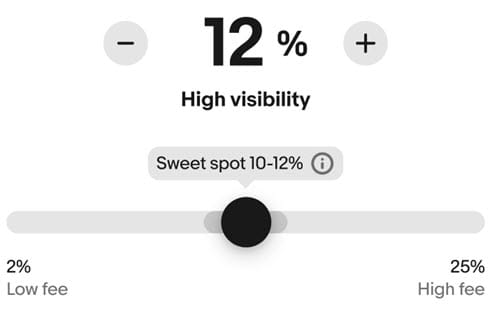
The FAQ goes on to explain that Easy Boost promotes everything in your account automatically at the same rate, including new listings, but you still only pay an ad fee if and when the item sells while meeting ad attribution criteria.
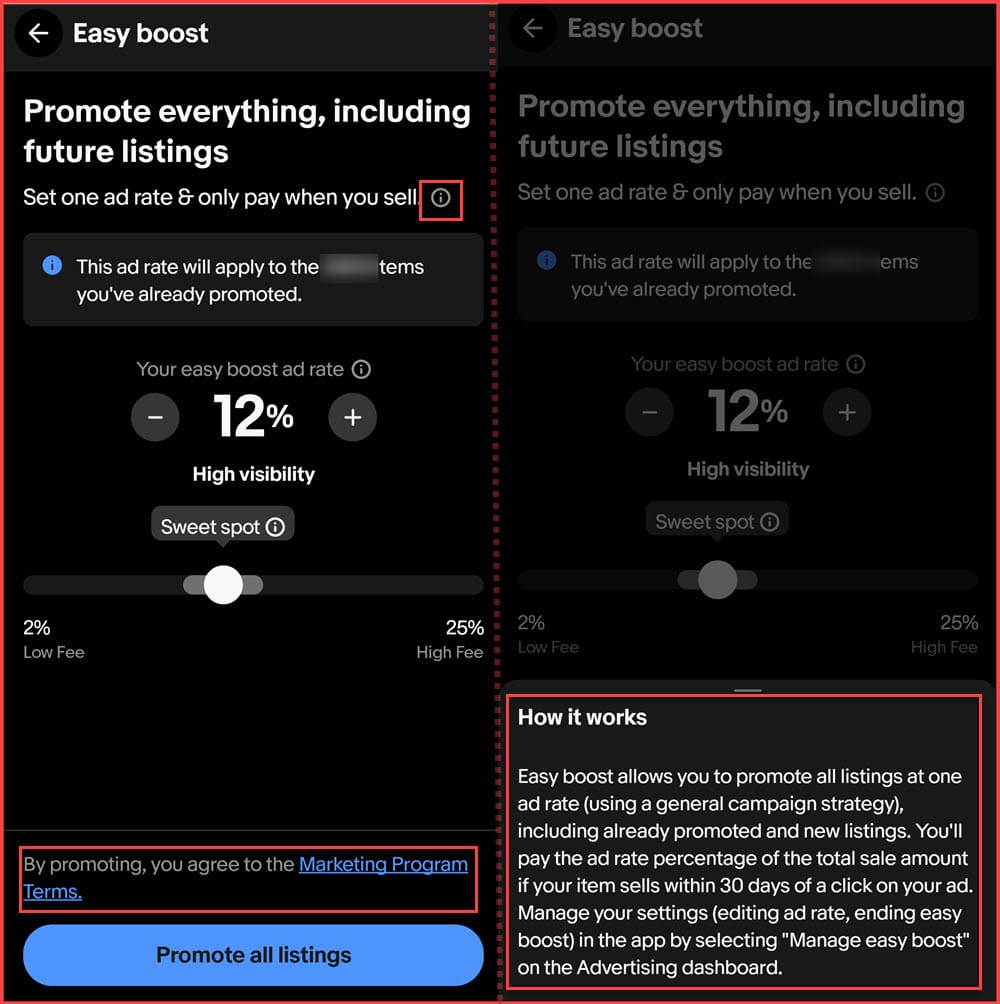
If you already have some of your items promoted using the General strategy, turning on Easy Boost will override your previous settings, but you can change the ad rate applied to all listings or turn off Easy Boost at any time.
But a seller who notified Value Added Resource of the change said they believe it's a solution in search of a problem as eBay already provides the ability to create Promoted Listings campaigns that will automatically apply a single rate to all their current and new listings using existing rule-based tools in Seller Hub.
 Liz Morton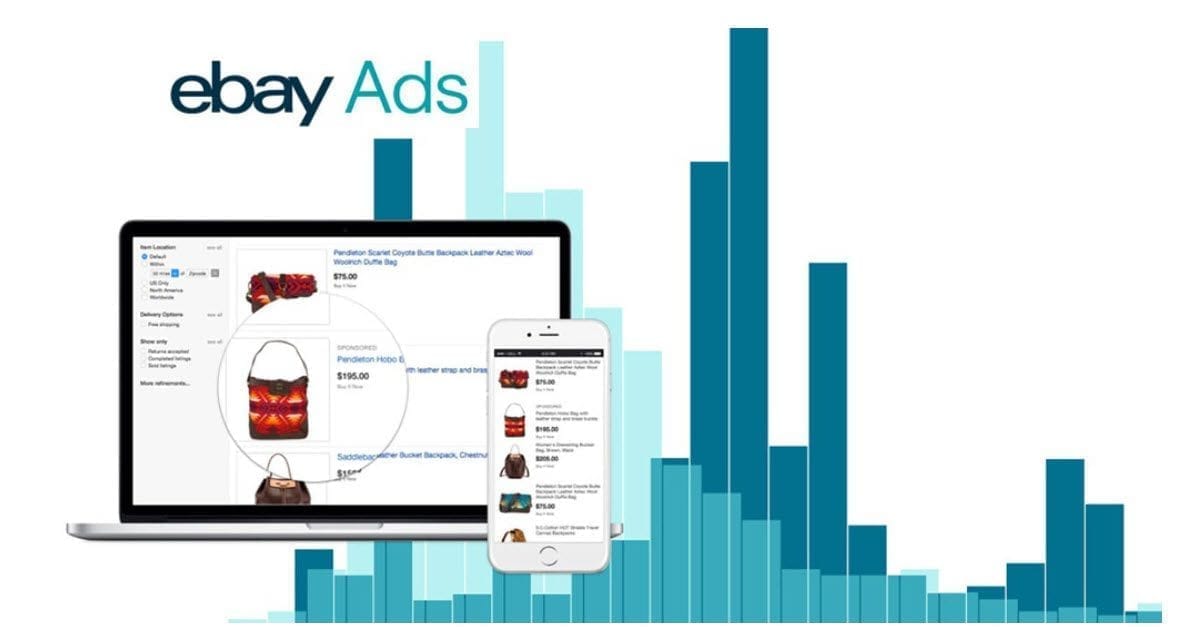
In that light, Easy Boost isn't really a new capability; it's a simplified funnel into an already-existing blanket ad strategy.
The real problem (for eBay) may be that sellers are moving away from blanket set-it-and-forget-it ad strategies in response to controversial Promoted Listings attribution changes that went into effect for the US earlier this year.
 Liz Morton
Those changes moved Promoted Listings General to an "any click" model, making a click on an ad from any user count for attribution - even if that user isn't the person who eventually ends up purchasing the item.

The predictable result followed as sellers noticed once the new attribution model went into effect, they saw a jump in the number of sales being attributed to Promoted Listings (light blue) and incurring ad fees vs organic (dark blue) sales - with no significant increase in overall sales or return on ad spend.
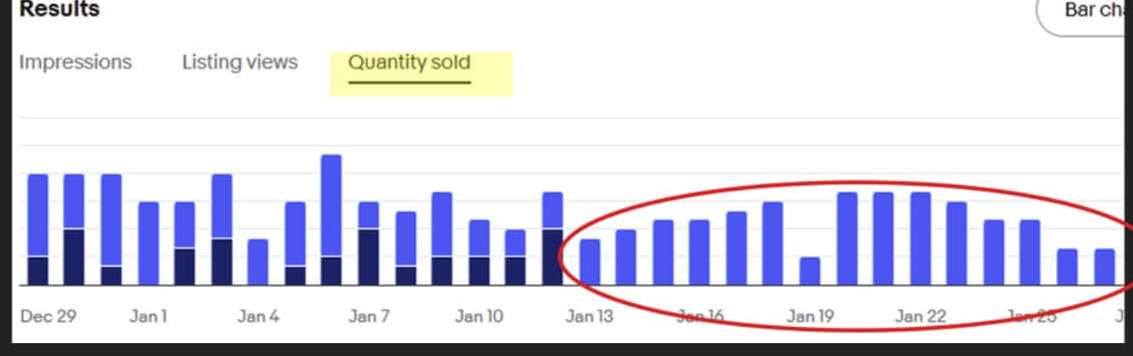
In response to the blatant money grab, many sellers began to consider new strategies for using Promoted Listings General ads - including being more selective about which items they promote and/or allowing items to run with no promotion for a set amount of time before turning ads on.
The new policy took effect in Q1 2026 and this shift in seller advertising strategies is already showing up in eBay's earnings reports.
 Liz Morton
According to the Q1 2026 report, total advertising revenue was $581 Million with 1st Party Ad revenue (all of eBay's various cost per click and cost per sale Promoted Listings ad options) making up the bulk of that figure at $555 Million, a 28% year over year increase.
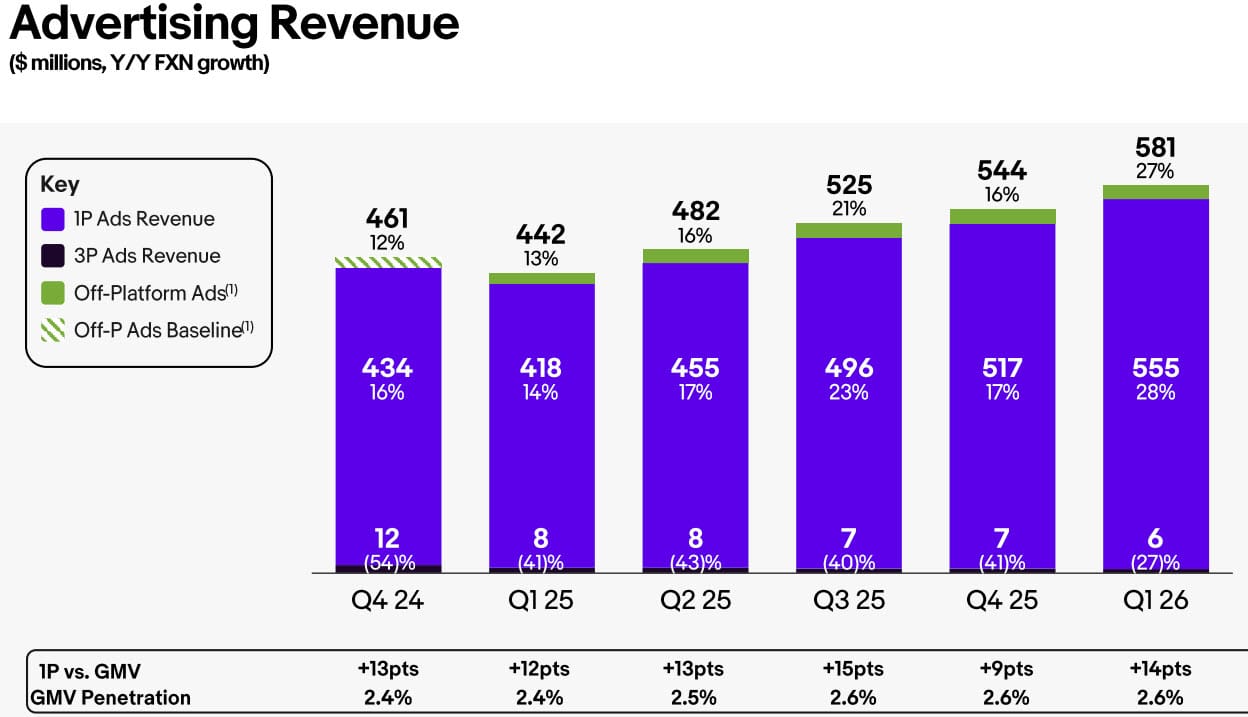
During prepared remarks in the earnings call, it was also revealed that ~1.2 billion of the roughly 2.5 billion total listings on eBay were promoted during the quarter and 5.2 million sellers adopted at least one promoted listing product during the quarter.
In Q4 2025, those numbers were 1.2 billion of roughly 2.5 billion total listings and 4.8 million sellers.
eBay does not break those stats down further by type of 1st party ad product, but Promoted Listings General cost per sale ads are still by far the most widely used of all of eBay's ad offerings.
That suggests while more sellers may be trying Promoted Listings overall, existing users are becoming more selective and limiting which listings they choose to promote - in line with what I'm hearing anecdotally from sellers looking for ways to mitigate the effects of the new policy.
That's the problem Easy Boost does not solve: eBay already gave sellers ways to promote everything at once.
What has changed is sellers' willingness to keep doing that when the attribution window has been widened in eBay's favor and many are questioning whether those ad fees are actually driving additional sales.
Easy Boost looks less like a new tool for sellers than a shortcut back to the blanket ad spending many sellers are now trying to avoid.