Amazon Opens Seller Central To eBay, Shopify, TikTok & Walmart

Amazon is opening Seller Central to competing marketplaces and ecommerce platforms, allowing sellers to connect eBay, Shopify, TikTok and Walmart accounts and manage more of their multichannel business without leaving Amazon.
The new Multichannel Selling Tools are rolling out gradually to U.S. sellers over the coming months at no additional cost, starting with the ability to connect outside accounts, import and link listings, view sales and orders and fulfill orders across channels.
 Mary Beth Westmoreland, Vice President, Worldwide Selling Partner Experience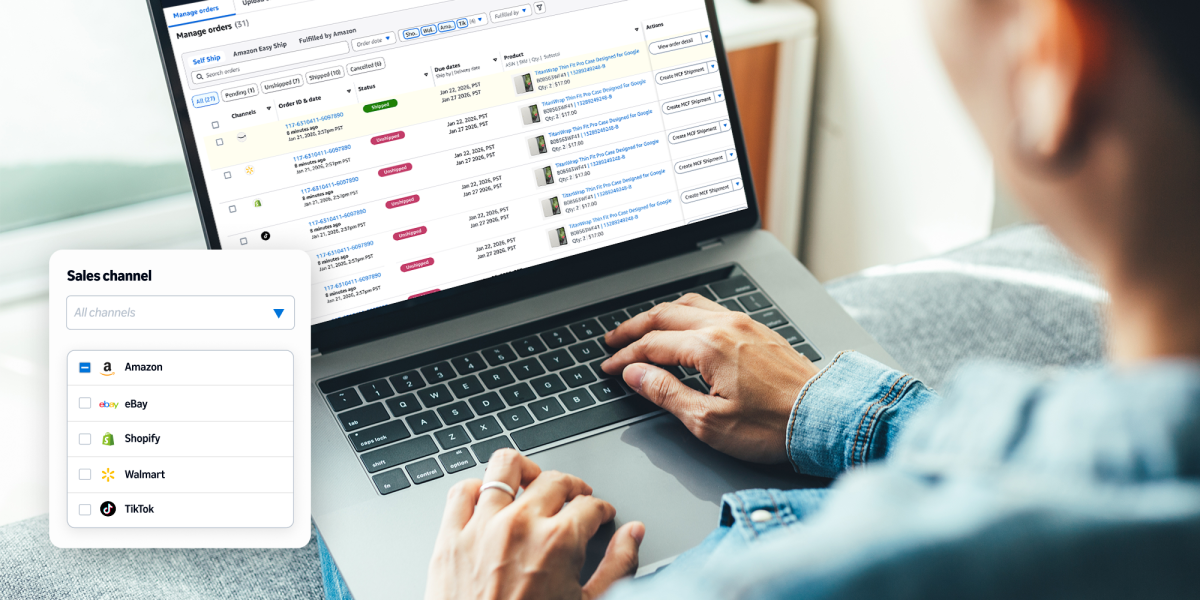
Amazon says more capabilities and additional channels will be added over time as it works toward making Seller Central "the single place where independent sellers manage their entire business, not just their Amazon listings, across every channel where they sell."
More than 95% of independent sellers on Amazon already sell across multiple channels, according to the company, but managing those businesses often requires switching between separate dashboards for listings, orders, inventory, advertising and financial reporting.
Sellers will be able to edit product descriptions once through Amazon's Manage Products page and have those changes reformatted for linked listings on other channels, while Amazon's generative AI listing tools will eventually be able to create titles and product details for those marketplaces as well.
Orders from connected channels will also appear in Seller Central's Manage Orders dashboard, including customer and order information, regardless of whether the seller ultimately uses Amazon to fulfill them.
Amazon provided an example of a seller receiving a Shopify order in Seller Central, selecting Amazon fulfillment and having tracking information automatically sent back to Shopify.
Multichannel selling tools are not just an update to the fulfillment process. The new experience gives sellers one place to see, manage, and act on every order, regardless of where it came from.
Amazon has increasingly built logistics and checkout services designed to power transactions that happen outside its own marketplace, through services like Multi-Channel Fulfillment, Amazon Warehousing and Distribution and Buy with Prime, but those services generally still left merchants managing their broader ecommerce operations through other platforms.
Amazon is also expanding Seller Central reporting to provide what it calls a real-time view of profitability across connected channels, pulling in sales, advertising spend and traffic data so sellers can compare performance without manually reconciling reports from each marketplace.
For merchants already using Amazon heavily, consolidating that reporting in Seller Central could save significant time while giving Amazon a much more complete picture of participating sellers' businesses outside its own marketplace.
Marketplace Pulse noted the same shift, pointing out that Amazon has long monitored what sellers charge elsewhere but can now also see how much they sell there when merchants connect those accounts.
 Ben Donovan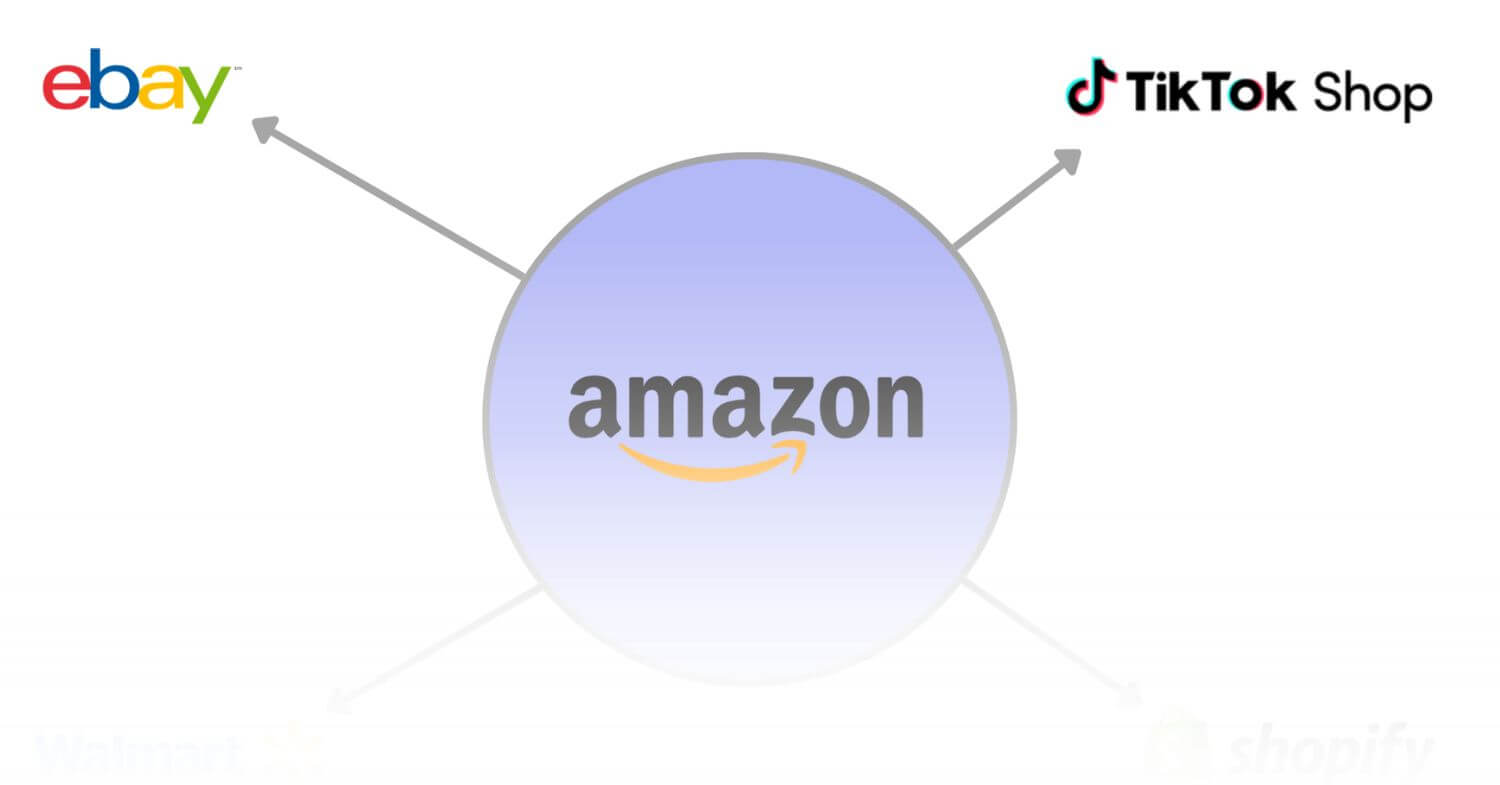
The existing Seller Central Profit Analytics tools already allow sellers to factor in off-Amazon costs and analyze profitability at the SKU and ASIN level, including sales, advertising spend, refunds and returns.
Amazon says off-Amazon information will remain "secure and private," with sellers deciding which channels to connect and what data to share.
A footnote adds:
A seller decides which channels to connect, what data to share, and can disconnect at any time. Multichannel selling tools have strict access controls in place so that a seller's data is not shared with other sellers or used to inform Amazon's retail business decisions.
The European Commission opened an antitrust investigation in 2019 over concerns that Amazon could use commercially sensitive marketplace data from independent sellers to benefit its own competing retail business.
Regulators specifically identified information including units ordered and shipped, seller revenue, traffic, shipping data and past performance as potentially giving Amazon's retail business a competitive advantage. The data covered by Amazon's subsequent commitments also included prices, costs, sales, inventory and other non-public seller information.
The new Multichannel Selling Tools could give Amazon access to much of the same type of information generated outside its own marketplace. Amazon explicitly says that data will not be used to inform retail business decisions, but does not address whether it may be used more broadly elsewhere in the company.
Amazon already monitors prices outside its marketplace and uses external pricing information when determining whether offers are eligible for prominent placement. The company tells sellers that Featured Offer eligibility can depend on whether their total price is competitive with the lowest price found at major retailers outside Amazon, and its Automated Pricing tools can automatically adjust offers to match an external competitive price.
California Attorney General Rob Bonta alleges Amazon has used Buy Box eligibility and other marketplace leverage to discourage sellers and vendors from offering lower prices on Walmart, eBay and other competing platforms, including their own direct-to-consumer websites.
 Liz Morton
Amazon disputes those allegations, arguing its marketplace agreements are lawful, procompetitive and intended to provide customers with competitive prices.
The state's case is focused on Amazon's existing marketplace pricing practices, not the new Multichannel Selling Tools. But the expansion makes the distinction between public pricing data and private operating data more important.
While a publicly visible eBay or Walmart listing can tell Amazon what price a seller is asking, connected sales and profitability data could provide a much deeper look at whether those prices are actually generating sales and how a merchant's business is performing across other channels.