USPS Proposes Requiring Dimensions On All Commercial Parcels - What It Means for Online Sellers

UPDATE 3-31-26
USPS is delaying expanded dimension non-compliance fees to 2027, opting for phased rollout of new Parcel Dimension Compliance rule amid "temporary" fuel surcharge, regular rate hikes and ongoing financial pressures.
Phase One will stay go into effect on July 12, 2026, requiring accurate length, width, and height on all manifested parcels shipped via Parcel Select, USPS Ground Advantage, Priority Mail, and Priority Mail Express - though Flat Rate packaging and USPS Returns remain exempt.
This will allow USPS to evaluate and review systems for accuracy, during which time the Dimension Noncompliance Fee, which increased to $3.00 per package on January 18th, will be deferred until Phase Tw0 in 2027 for smaller shipments but continue to apply for parcels that exceed 1 cubic foot or 22 inches in length if dimensions are not provided or are inaccurate.
Details:
 Liz Morton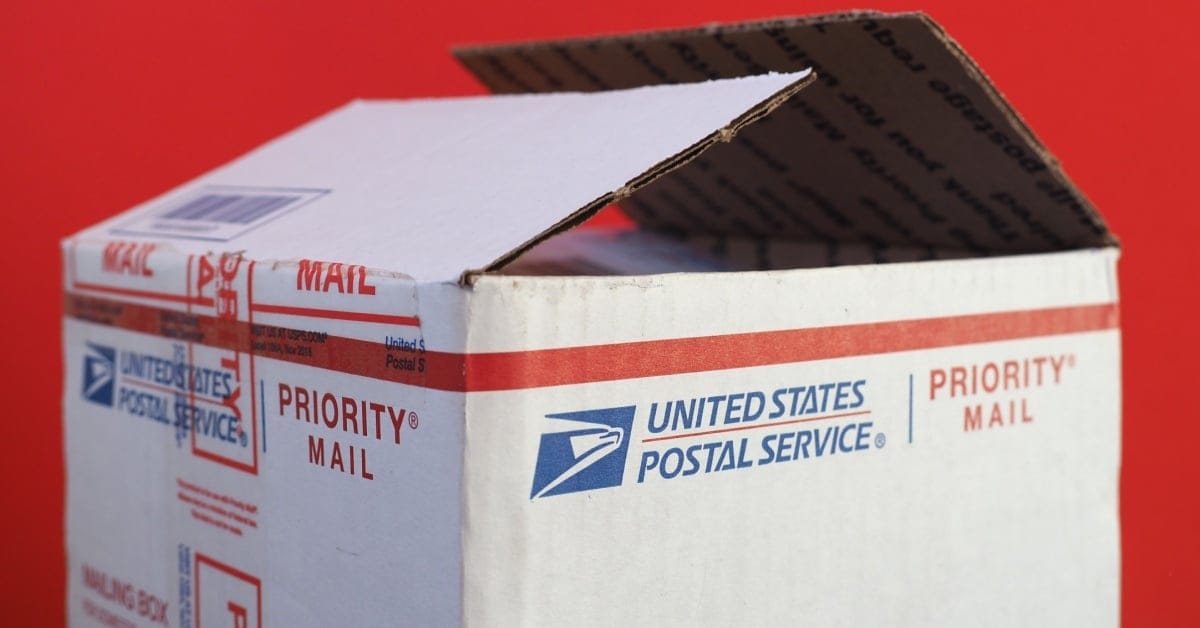
The US Postal Service has proposed a rule change for Parcel Dimension Compliance that could significantly impact online sellers who purchase postage through marketplaces and third-party shipping platforms.
If finalized, the rule would go into effect July 12, 2026 and require accurate package dimensions on commercial USPS parcels, regardless of size, affecting sellers using platforms such as Amazon, eBay, Etsy, Poshmark, Mercari, and shipping tools like Pirate Ship, ShipStation, and Stamps.com.
What’s Changing
Under current USPS rules, sellers are only required to include parcel dimensions in electronic manifests when a package exceeds 1 cubic foot or 22 inches in length.
The proposed rule, entered in the Federal Register today, would eliminate that threshold and require accurate dimensions to be provided for manifested commercial shipments that meet applicable service criteria.
That means going forward, USPS would require length, width, and height on all manifested parcels shipped via commercial services, including:
- Priority Mail Express
- Priority Mail
- USPS Ground Advantage
- Parcel Select
However, Flat Rate packaging and USPS Returns would remain exempt.
Failure to provide accurate dimensions will trigger the Dimension Non-Compliance Fee, which is currently $1.50 per package.
The language in the proposed rule is framed around “mailers” and “manifests,” which often conjures images of large shippers trucking pallets of packages to USPS, but smaller online sellers who print labels from marketplace or third party providers will be impacted as well.
If you print a commercial USPS label through eBay, Etsy, Amazon, Poshmark etc. or third-party solutions like ShipStation, Pirate Ship, or PayPal Shipping, your packages are riding on those platforms’ manifests as commercial parcels with the weight and dimension data electronically transmitted to USPS by the platform.
Sellers of small, lightweight items have often been able to get away with estimating dimensions or using generic defaults if they know the package will be less than 1 cubic foot, but if this rule goes into effect, that will no longer be sufficient.
USPS enforces dimensional compliance using its Automated Package Verification (APV) system. If the dimensions submitted at label creation don’t match USPS measurements, the non-compliance fee, any additional postage amounts due and/or other applicable fees are assessed after shipment - with the marketplace and third-party shipping platforms passing those costs back to sellers.
If this rule goes into effect, sellers can expect to see platforms cracking down on requiring accurate dimensions to be entered for all packages and a significant increase in post-shipping adjustments with additional fees tacked on.
What Sellers Should Do Now
Sellers should begin preparing now to make sure they are ready if/when this new rules goes into effect in July.
Recommended actions include:
- Eliminating placeholder or default dimensions/entering correct dimensions for all items
- Standardizing a limited set of packaging sizes
- Documenting exact dimensions for each packaging type
- Auditing shipping data across all sales channels
Sellers who wish to provide comment to USPS about how this change may impact their businesses have until February 9, 2026 to do so.
Mail or deliver written comments to the manager, Product Classification, U.S. Postal Service, 475 L'Enfant Plaza SW, Room 4446, Washington, DC 20260-5015. If sending comments by email, include the name and address of the commenter and send to PCFederalRegister@usps.gov, with a subject line of “Parcel Dimension Compliance”.
What do you think about these proposed rules changes for USPS Parcel Dimension Compliance? Let us know in the comments below!